
Surgical Extractions in Brentwood
Simple vs. Surgical: Understanding Which Extraction You Need
We get this question almost every day. A patient comes in with a tooth that’s been bothering them for weeks, and they want to know if it’s a quick pull or something more involved. The honest answer? It depends on what’s happening below the gumline.
A simple extraction works when the tooth is fully visible above the gums. It’s loose enough or intact enough that we can remove it with standard instruments. No incisions. No bone work. But not every tooth cooperates that easily.
Surgical extractions in Brentwood are what we recommend when the situation is more complex. Here are the most common reasons a tooth needs a surgical approach:
- The tooth broke off at or below the gumline
- It’s impacted, meaning it never fully came through the bone or tissue
- The roots are curved, hooked, or fused to the jawbone
- A previous root canal left the tooth brittle and fragile
- There’s a large infection around the root that needs careful management
With a digital dental x-ray or 3D dental imaging, we can tell exactly which type you’ll need. That’s the first thing we do. No guessing.
So what makes the surgical version different? Dr. Luu creates a small opening in the gum tissue to access the tooth or root structure underneath. Sometimes a small amount of bone around the tooth needs to be adjusted. The tooth might come out in sections rather than one piece. That is often the gentler approach for your jaw.
People hear “surgical” and picture something dramatic. It’s not. Most of our patients near the Deer Ridge area are surprised how calm the whole process feels. We use sedation options like nitrous oxide or oral sedation to keep you comfortable the entire time.
And here’s what matters most. Choosing the right extraction method protects the bone and tissue around the site. That’s especially important if you’re considering dental implants later. A rushed or incorrect approach can make future restoration harder. We think about the long game every time.
Conditions That Make Surgical Extraction Necessary
Not every tooth that needs to come out can be pulled the simple way. We see this every week in our Brentwood office. A patient comes in thinking it’ll be quick, but the tooth has other plans.
So what actually pushes a case from simple to surgical? It comes down to access. If we can’t get a clean grip on the tooth, a surgical extraction is the right call. That’s not a bad thing. It just means we need a more careful approach to protect you and get the job done right.
Here are the most common reasons a tooth needs surgical extraction:
- The tooth broke off at the gumline from decay or trauma
- Roots are curved, long, or fused to the surrounding bone
- An impacted wisdom tooth is stuck beneath gum tissue or bone
- A previous root canal treatment left the tooth brittle and fragile
- Dense bone around the tooth won’t allow it to loosen naturally
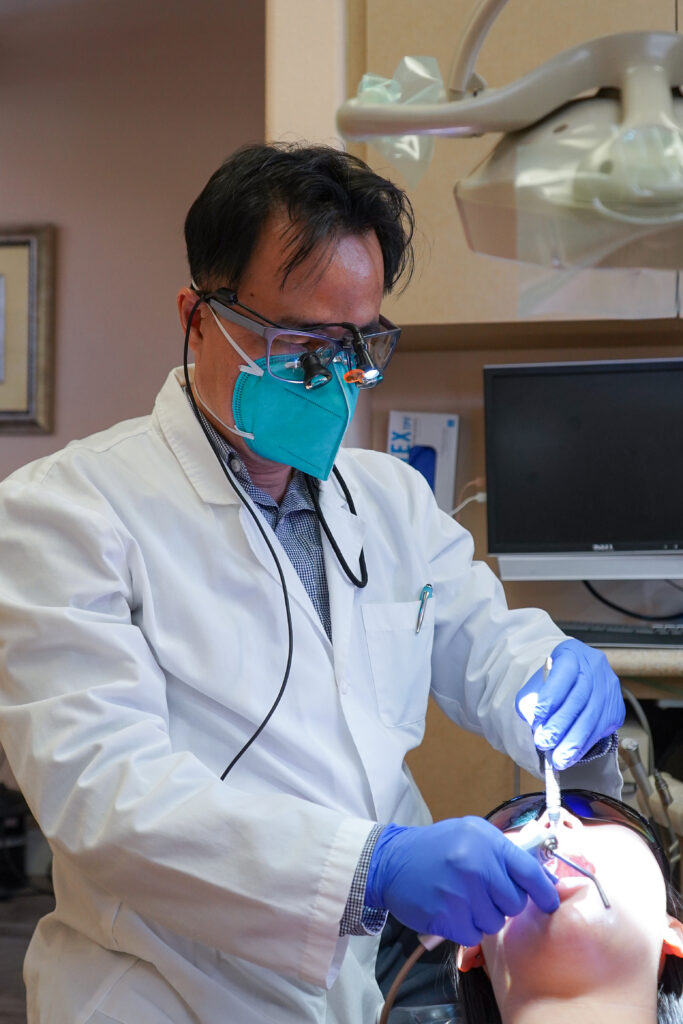
It’s one of those situations. Patients near the Shadow Lakes area sometimes come to us after putting off a cracked molar for months. By then the crown is gone, and there’s nothing left above the gums to grab. That’s a textbook surgical case.
Impacted teeth are another big one. Your wisdom teeth might be angled sideways or buried under bone. A simple pull won’t work there. Dr. Luu uses 3D dental imaging before every surgical extraction to see exactly what’s happening below the surface. Knowing the root shape, nerve position, and bone density ahead of time makes the whole process safer. If you’d like to learn about surgical tooth extraction in more clinical detail, that background can help you feel more informed going into your appointment.
But here’s what matters most to you. The condition of the tooth doesn’t change your comfort level during the procedure. Whether it’s a stubborn root tip or a fully impacted third molar, we plan around the problem so your experience stays smooth. Wondering if your situation calls for a surgical approach? That’s actually pretty common. Most people aren’t sure until we take a look.
What Happens During a Surgical Extraction at Our Brentwood Office
People always want to know what the actual procedure looks like. Fair enough. Here’s how it goes from the moment you sit down in our chair.
We start with a thorough review of your digital dental x-ray or 3D dental imaging. Dr. Luu needs to see the full picture before anything else. Root shape, bone density, how close the tooth sits to nerves or sinuses. That imaging tells us exactly what we’re working with so there are no surprises once we begin.
The Step-by-Step Process
- We numb the area completely. If you’ve chosen oral sedation or nitrous oxide, we get that going first so you’re relaxed before we even touch the tooth.
- Dr. Luu makes a small incision in the gum tissue to access the tooth and surrounding bone.
- If bone is covering part of the tooth, a small amount gets removed carefully.
- The tooth may be divided into sections. This is normal. Smaller pieces come out easier and cause less stress on the bone around them.
- Once the tooth is out, we clean the socket and check for any remaining fragments.
- The site gets closed with sutures. Most of the time we use dissolvable stitches so you don’t need a separate appointment to remove them.
The whole thing usually takes 30 to 60 minutes for a single tooth. We’ve done hundreds of these right here in Brentwood, and the procedure goes faster than patients expect.
You stay comfortable the entire time.
That’s the part people worry about most, so let’s be direct. Between local anesthesia and sedation options, you shouldn’t feel pain during the procedure. Pressure? Maybe a little. But actual sharp pain? No. If something doesn’t feel right at any point, you raise your hand and we stop. Simple as that. Our team monitors you throughout, checking your comfort level and adjusting as needed. We’ve had patients near the Deer Valley area tell us they were more nervous in the waiting room than they ever were in the chair.
And once we’re done, you’ll get clear written instructions before you leave. No guesswork about what comes next.
Recovery After Surgical Extraction: A Day-by-Day Guide
Most people worry more about recovery than the procedure itself. That’s fair. But here’s the truth: if you follow a simple plan, healing from a surgical extraction is way more manageable than you’d expect.
We walk every patient through this before they leave our Brentwood office, and we mean every word of it.
The First 24 Hours
This is the most important window. Bite down gently on the gauze we place, keep it there for about 30 to 45 minutes. Some bleeding is normal. Don’t rinse, don’t spit, don’t use a straw. Those small actions can dislodge the blood clot forming in the socket.
Stick to soft foods. Think yogurt, mashed potatoes, smoothies without a straw. Ice packs on the outside of your cheek help with swelling, 20 minutes on then 20 off.
Days Two Through Four
Swelling usually peaks around day two or three. Don’t panic. You can start gentle warm salt water rinses now. They keep the area clean and feel soothing. Most patients in the Deer Valley area and across Brentwood tell us the discomfort drops noticeably by day three.
Here’s what to watch for during this stretch:
- Pain that gets worse instead of better after day two
- A bad taste that won’t go away with rinsing
- Fever above 101 degrees
- Numbness that hasn’t faded since the procedure
Any of those signs? Call us right away. Everything’s fine, but we’d rather check than guess.
Days Five Through Seven
By now you’re turning a corner. Most patients return to normal eating. The gum tissue starts closing over the extraction site. You can brush near the area gently. And you’ll probably forget something happened back there for stretches of the day.
We schedule a follow-up about a week after every surgical extraction. Dr. Luu checks the healing, makes sure the bone and tissue look right, and talks through any next steps like bone grafting or future dental implants if that’s part of your plan.
Recovery doesn’t have to be complicated. It just takes a little patience and a few days of taking it easy.
Pre-Surgical Preparation: How to Get Ready for Your Appointment
Most people feel nervous before a surgical extraction. That’s normal. But here’s what actually helps: knowing exactly what to do before you show up. A little prep goes a long way toward a smooth procedure and a faster recovery.
We’ll walk you through everything during your consultation, but let’s cover the basics now so you’re not guessing.
Before Your Appointment Day
When you come in for your initial visit, we take a 3D dental image or digital dental X-ray to see the full picture. Root shape, bone density, nerve proximity. Dr. Luu reviews all of it with you right there on the screen. No surprises on procedure day. We also go over your full medical history, and we mean everything. Medications, supplements, blood thinners, past reactions to anesthesia. The thing patients forget to mention is the thing that matters most.
Here’s what to do in the days leading up to your surgical extraction:
- Fill any prescriptions we give you ahead of time, including antibiotics if needed.
- Stop blood-thinning medications if Dr. Luu advises it. Never stop on your own.
- Arrange a ride home, especially if you’re choosing oral sedation or nitrous oxide.
- Stock up on soft foods. Yogurt, applesauce, mashed potatoes. You won’t want to chew much for a couple days.
- Get a good night’s sleep. Your body heals better when it’s rested.
The Morning Of
If sedation is part of your plan, don’t eat or drink for at least six hours before your appointment. Wear a short-sleeved shirt so we can monitor you easily. Leave jewelry at home. And skip the morning coffee. I know that’s the hard one.
Patients from the Deer Ridge area and across Brentwood tell us the same thing: they expected the prep to be complicated. It wasn’t. We keep it simple on purpose. The goal is for you to walk in feeling calm and ready, not overwhelmed by a checklist.
Got questions before your visit? Give us a call. We’d rather answer them now than have you worry about them later.
Frequently Asked Questions About the Service
How do I know if my tooth needs a surgical extraction or a simple one?
You need a surgical extraction when the tooth can’t be removed with standard instruments alone. This usually means the tooth broke off at the gumline, the roots are curved or fused to the bone, or the tooth never fully came through the tissue. A quick digital x-ray or 3D scan tells us exactly which approach fits your situation. Most patients in Brentwood don’t know which type they need until we take that first look — and that’s completely normal.
What does a surgical extraction actually feel like during the procedure?
You should feel pressure but not sharp pain during a surgical extraction. We fully numb the area before we start, and sedation options like nitrous oxide or oral sedation keep you relaxed throughout. If anything feels wrong, you raise your hand and we stop immediately. Most patients are surprised by how calm the experience is — the procedure for a single tooth typically takes 30 to 60 minutes from start to finish.
Is it safe to wait on a cracked or broken tooth before getting it extracted in Brentwood?
Waiting usually makes the situation harder to treat. We regularly see patients in Brentwood who put off a cracked molar for months. By the time they come in, the crown is gone and there’s nothing above the gumline left to work with. That turns a manageable case into a more involved surgical one. If your tooth is cracked, broken, or causing pain, getting it evaluated sooner protects the surrounding bone and keeps your options open for future restoration like a dental implant.
Why might a tooth that had a root canal need a surgical extraction later?
Root canal treatment can leave a tooth more brittle over time, which means it’s more likely to fracture during a standard pull. When that happens, the tooth often breaks at or below the gumline, and there’s nothing left to grip with regular instruments. A surgical approach lets Dr. Luu access the root structure directly through a small incision, removing it safely without damaging the surrounding bone. This is one of the more common scenarios we see in our Brentwood office.
How does 3D imaging before a surgical extraction make the procedure safer?
3D dental imaging shows us the exact shape of your roots, the density of the surrounding bone, and how close the tooth sits to nerves or your sinus cavity. That information changes how we plan the procedure. Without it, we’re working with less detail than we should have. With it, Dr. Luu can map out the safest path before making a single incision. Patients near the Shadow Lakes and Deer Ridge areas often tell us this part of the process gives them real confidence going in.
Do I need a follow-up visit to get my stitches removed after a surgical extraction?
Most of the time, no. We typically use dissolvable sutures that break down on their own within a week or two, so a separate removal appointment usually isn’t needed. We’ll let you know at the end of your procedure exactly what type of stitches were placed and what to watch for during healing. If anything looks unusual at the site — swelling that gets worse after day three, or pain that increases instead of improving — that’s when you call us right away.